Upper Back Pain Causes: Muscles, Posture, Ribs, or Something Else?
Understand upper back pain causes, common movement patterns, and warning signs that should not be ignored.
Read article
Women seek physiotherapy for far more than pregnancy or pelvic-floor concerns. Neck and back pain, sports injuries, arthritis, fracture recovery, joint replacement, desk work, household demands, reduced strength and return to exercise can affect women at every stage of adult life. The relevant treatment depends on the diagnosis, medical history, activity demands, goals and preferences—not on gender stereotypes or a generic “women’s exercise” program. Search behavior can make this page difficult to structure because high-volume terms often focus on pregnancy and pelvic health. Using all of those phrases here would weaken the dedicated Women’s Health service and confuse users. The broad page therefore prioritizes women seeking general physiotherapy while creating a visible, respectful route to specialist care.

WHPT Pakistan assesses symptoms, movement, strength, medical context and the activities the patient needs to regain before selecting treatment and rehabilitation.
| Feature | Details |
|---|---|
| Audience | Women seeking musculoskeletal, sports, postoperative, neurological or balance rehabilitation |
| Available at | WHPT Pakistan, Bahria Town, Lahore |
| Primary focus | Diagnosis-led physiotherapy adapted to goals, health context and preferences |
| Specialist pathway | Women’s Health Physiotherapy for pregnancy, postpartum and pelvic-floor needs |
| Common goals | Work, caregiving, exercise, sport, independence and recovery after surgery |
| Professional approach | Privacy, informed consent and no gender-based assumptions |
| Primary goal | Restore function and connect each woman to the correct WHPT pathway |
WHPT provides broad physiotherapy for women with pain, injury, arthritis, sports, neurological and post-surgical needs. This audience page does not duplicate the specialist Women’s Health Physiotherapy service; pregnancy, postpartum and pelvic-floor concerns are directed there while general rehabilitation remains diagnosis-led.
Urgent medical care may be required for chest pain, breathing difficulty, fainting, sudden limb or facial weakness, new bladder or bowel dysfunction, saddle numbness, severe headache, major trauma, suspected fracture, one-sided calf swelling and warmth, a cold or pale limb, fever with a hot swollen joint, heavy or unusual bleeding, severe abdominal or pelvic pain, pregnancy-related emergency symptoms, rapidly progressive weakness, unexplained weight loss or severe unrelenting night pain. Physiotherapy should not delay medical or obstetric assessment when urgent signs are present.
Women may balance paid work, study, caregiving, household activity, pregnancy-related changes, exercise and health conditions at the same time. A treatment plan that ignores these demands may look correct on paper but fail in daily life. WHPT asks what the patient must manage, what activity she wants to regain and which barriers—pain, weakness, time, confidence, sleep or medical precautions—are most relevant. A woman who works at a computer, manages a household and trains in the evening may need a plan that addresses all three loads. Focusing on only one posture or one activity can miss the cumulative demand that repeatedly exceeds current capacity.
We also avoid reducing every concern to posture, hormones or pelvic health. A painful shoulder still requires shoulder assessment; calf swelling still requires vascular screening; and progressive weakness requires neurological evaluation. Women receive diagnosis-led physiotherapy with access to specialist pathways when pregnancy, pelvic-floor, neurological or postoperative needs are present. Bone health and menopause may influence risk, but they are not diagnoses by themselves. A patient with suspected osteoporosis or a low-trauma fracture may need medical assessment and appropriate loading precautions, while many women can and should still perform progressive resistance training.
WHPT Clinical Principle Respect the woman’s goals and preferences. Treat the diagnosis. Consider life stage without reducing every problem to it.
A physiotherapy assessment may be useful when pain, weakness, stiffness, injury or reduced confidence is limiting work, family responsibilities, self-care, exercise or sport. Common reasons women contact WHPT include:
Urgent medical care may be required for chest pain, breathing difficulty, fainting, sudden limb or facial weakness, new bladder or bowel dysfunction, saddle numbness, severe headache, major trauma, suspected fracture, one-sided calf swelling and warmth, a cold or pale limb, fever with a hot swollen joint, heavy or unusual bleeding, severe abdominal or pelvic pain, pregnancy-related emergency symptoms, rapidly progressive weakness, unexplained weight loss or severe unrelenting night pain. Physiotherapy should not delay medical or obstetric assessment when urgent signs are present.
Physiotherapy for women is an audience-centered pathway that applies the same clinical standards used for any patient while recognizing health stages, privacy preferences, pregnancy status, bone health, caregiving demands and access to exercise. It can include musculoskeletal, sports, postoperative, neurological, balance and specialist women’s health rehabilitation.
The page does not imply that women need a different treatment simply because they are women. Instead, it ensures that relevant sex-specific and life-stage factors are considered without allowing them to overshadow the actual diagnosis. Treatment remains individualized and based on assessment.
The Women audience page covers broad rehabilitation needs across the whole body. The Women’s Health Physiotherapy service should retain ownership of pregnancy, postpartum, pelvic-floor, continence and specialist pelvic-health search intent. When a patient’s concern belongs to that specialty, this page provides a concise introduction and directs her to the dedicated service rather than duplicating detailed pelvic-floor exercises or pregnancy protocols. This distinction should also be reflected in internal links. A paragraph about shoulder pain should link to Shoulder Pain or Rotator Cuff Injuries, not expand into a complete shoulder treatment guide. A paragraph about pregnancy should link to Women’s Health Physiotherapy rather than providing a pelvic-floor routine. This creates a clean site hierarchy for both users and search engines.
Common problems that reduce the quality of physiotherapy for women include:
Recovery depends on diagnosis, duration, tissue healing, medical conditions, pregnancy or postpartum stage when relevant, previous fitness, sleep, stress, available support and the demands of daily life. A recent muscle or joint problem may improve in weeks; joint replacement, fracture, neurological rehabilitation or return to high-level sport can require months. Progress should be based on function and measurable capacity rather than arbitrary assumptions about age or gender.
The assessment may include:
Assessment remains diagnosis-led and person-centered. The therapist identifies medical precautions, the likely source of symptoms and the physical demands the patient wants to regain.
History, Health Stage, Privacy and Safety Screening
The history reviews symptoms, medication, menstrual or pregnancy status only when clinically relevant, surgery, fractures, bone health, sleep, work, caregiving, exercise and previous treatment. Patients are told why sensitive questions or examinations may be relevant and can discuss consent, privacy and clinician preference.
Movement, Strength, Mobility and Functional Examination
The therapist examines the relevant body region and connected movement system. Tests may include range, strength, balance, gait, neurological function, lifting, stairs, reaching or sport-specific tasks. The assessment avoids attributing symptoms to one factor without evidence.
Work, Family, Exercise and Participation Goals
Goals may include working without pain, lifting a child, returning to prayer positions, running, strength training, managing arthritis, recovering after surgery or regaining confidence outdoors. The plan is designed around these real tasks rather than a generic label such as “women’s fitness.”
Treatment Selection, Specialist Referral and Reassessment
Treatment may use condition-specific WHPT pathways, while pregnancy, postpartum or pelvic-floor concerns are directed to Women’s Health Physiotherapy. Reassessment tracks functional progress and identifies when imaging, medical review or another professional is needed.
The treatment combination depends on diagnosis and goals. Women may use the full WHPT rehabilitation system rather than a single gender-specific method.
Possible components include:
A woman may use several pathways over time. The audience page helps identify the correct starting point while each service or condition page retains its own detailed content and keywords.
Women may present through any WHPT condition cluster. The table below organizes common concerns without turning the audience page into a duplicate of every condition page. The most useful structure is to group needs by function and life context: desk and household demands, sport and fitness, aging and bone health, surgery, neurological rehabilitation and specialist women’s health. Each group receives enough explanation to help the reader choose a path but not enough to replace the destination page.
| Need or life context | Main rehabilitation focus | Relevant WHPT destination |
|---|---|---|
| Desk work and commuting | Neck, back, wrist, TMJ, movement and ergonomics | Office Workers / regional condition pages |
| Sports and gym activity | Load, strength, confidence and return criteria | Sports Physiotherapy / Sports Injuries |
| Pregnancy or postpartum | Specialist assessment and appropriate exercise | Women’s Health Physiotherapy |
| Arthritis or healthy aging | Strength, balance, mobility and independence | Arthritis / Seniors / Lower Limb |
| After fracture or surgery | Healing-aware progression and functional recovery | Post-Surgical Rehabilitation / Fractures |
| Neurological or balance needs | Gait, transfers, coordination and participation | Neurological Rehabilitation |
| Recurrent pain | Diagnosis review and capacity progression | Comprehensive Assessment / relevant condition |
| Long-term fitness | Strength, endurance and supervised transition | Recovery Beyond Rehabilitation |
Detailed symptoms, exercises and recovery timelines remain on the dedicated pages. This audience page focuses on how the pathway is adapted to women’s goals, health context and life demands. The page can also address common cross-cutting barriers such as fear of lifting, reduced confidence after pregnancy or surgery, limited time for exercise and concern about returning to impact. These are audience-specific considerations rather than separate diagnoses and therefore belong here without cannibalizing condition pages.
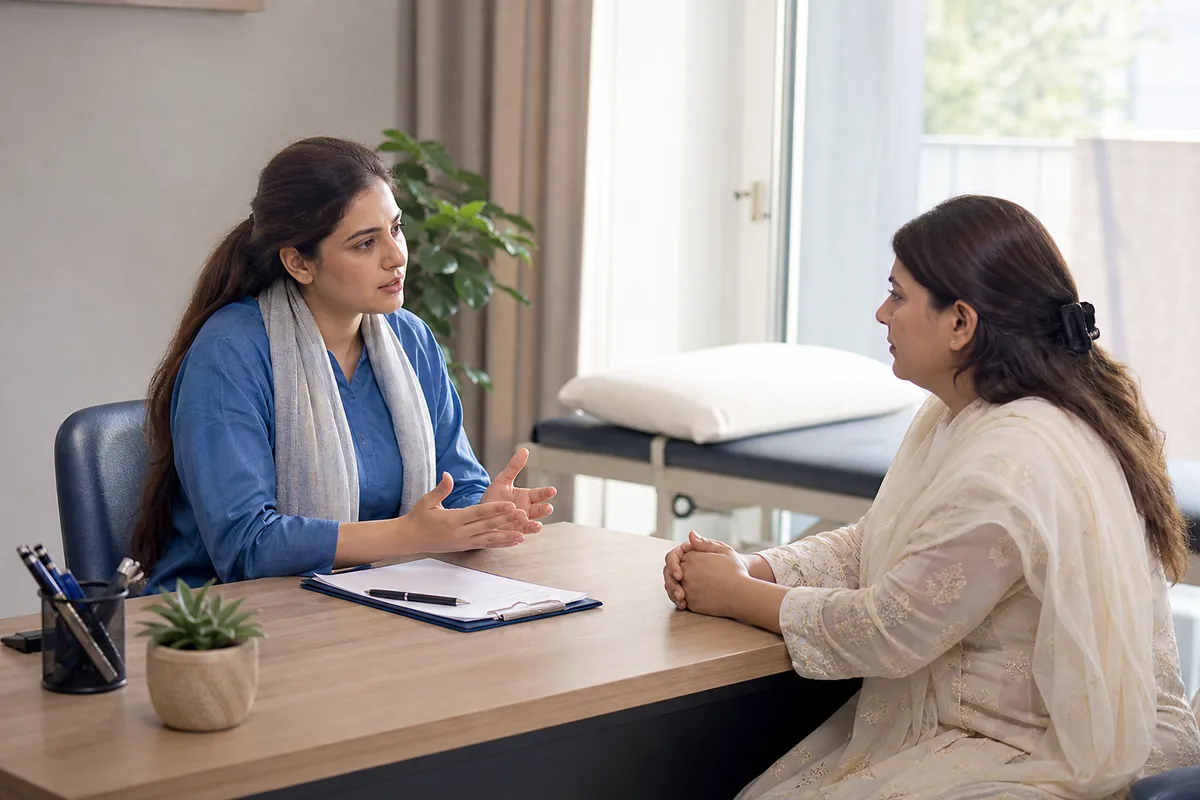
Pelvic pain, urinary or bowel symptoms, prolapse concerns, pregnancy-related issues and postpartum pelvic-floor rehabilitation may require a clinician with women’s or pelvic-health expertise. These should be managed through the Women’s Health Physiotherapy pathway, not hidden inside general musculoskeletal care. The specialist pathway may include internal examination or other sensitive procedures only when clinically justified, performed by an appropriately trained clinician and accepted through informed consent. The broad Women page should not describe these procedures as routine or imply that every woman requires pelvic-floor treatment.
Acute pregnancy concerns, heavy bleeding, severe pelvic or abdominal pain, fever, chest symptoms, suspected blood clot and other medical red flags require medical or obstetric assessment. WHPT does not use physiotherapy to replace gynecological, obstetric, endocrine, rheumatological or other medical care.
The plan balances clinical progression with the patient’s available time, privacy, household responsibilities, work and exercise goals. It should be challenging enough to rebuild capacity but realistic enough to follow. The therapist explains which parts are essential, which are optional and how to modify the program during symptom fluctuations or busy periods. Where time is limited, the therapist can prioritize one or two high-value exercises and identify opportunities to integrate movement into daily routines. As symptoms improve, the plan should progress toward the actual strength, balance or endurance demand rather than remaining permanently at a low level because the patient is female or busy. The therapist may provide two versions of the home program: a minimum routine for busy days and a fuller routine for days with more time. This protects consistency without creating guilt or an all-or-nothing approach.
The plan may consider:
The plan is reviewed through measurable function. Women should not be told to remain indefinitely on “gentle” exercises when their goals require strength, endurance or impact tolerance. Reassessment may compare walking or lifting tolerance, strength, range, balance, a patient-specific functional score or another meaningful outcome. Improvement is not judged only by how the patient feels immediately after manual therapy.
The session follows the same assessment-led process used across WHPT while allowing discussion of preferences, privacy and relevant life-stage factors.
Step 1: Clinical History and Consent
The therapist reviews symptoms, health factors, goals and any sensitive examination needs. Consent is ongoing, and the patient can ask questions or decline a technique.
Step 2: Physical and Functional Assessment
Movement, strength, mobility, balance and relevant tasks are assessed. Testing is selected according to the condition rather than gender.
Step 3: Explanation and Initial Treatment
Findings are explained and the first treatment targets the most relevant limitation. Passive treatment is not presented as the complete solution.
Step 4: Progressive Exercise and Task Practice
The program develops the capacity needed for work, caregiving, exercise, stairs, lifting or sport.
Step 5: Reassessment and Pathway Coordination
Progress is measured, and specialist Women’s Health, medical, surgical or neurological pathways are used when appropriate.
| Stage | What happens | Why it matters |
|---|---|---|
| Health and symptom history | Relevant medical, reproductive, surgical and lifestyle factors are reviewed | Identifies precautions without making assumptions |
| Physical assessment | Region-specific movement, strength and functional tests are selected | Keeps care diagnosis-led |
| Goal mapping | Work, family, exercise and participation needs are defined | Connects treatment to real life |
| Pathway selection | General, specialist women’s health, neurological or postoperative care is chosen | Prevents overlap and misdirection |
| Reassessment | Function and capacity are measured again | Guides progression and discharge |
Your Role in Recovery
The patient’s feedback guides dosage and progression. Home exercise should be manageable and connected to meaningful goals. Women should report unexpected bleeding, pelvic symptoms, pregnancy changes, calf swelling, neurological symptoms or other medical concerns rather than assuming they are normal exercise responses.
When the diagnosis and progression are appropriate, possible benefits include:
| Potential benefit | What it may allow |
|---|---|
| Reduced pain and stiffness | More comfortable work and daily activity |
| Improved strength | Safer lifting, exercise and caregiving |
| Better balance and mobility | Greater confidence and independence |
| Post-surgical recovery | Return to walking, stairs and meaningful activity |
| Correct specialist pathway | Timely women’s health or medical care when needed |
Results vary and cannot be guaranteed. Physiotherapy may improve modifiable strength, mobility, balance, pain and function, but it does not replace medical treatment for systemic disease or guarantee that surgery will be avoided. Honest prognosis and reassessment are part of care.
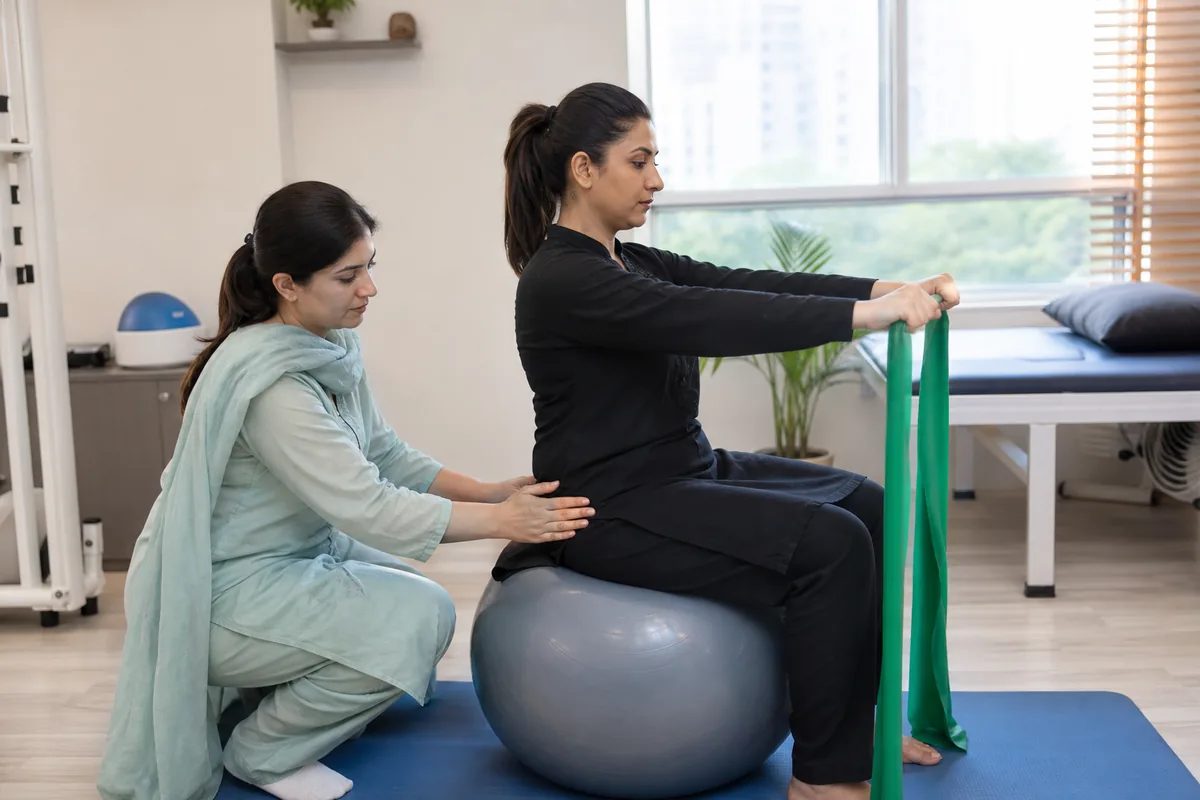
Mild effort, stretching or temporary muscular soreness can be acceptable. Sharp pain, rapidly increasing swelling, dizziness, fainting, chest symptoms, pelvic pressure, unusual bleeding, neurological change or symptoms that remain clearly worse require adjustment or medical review.
Pain thresholds and goals vary. Treatment is not made more effective by using excessive force. After surgery, during pregnancy or with osteoporosis and other medical conditions, precautions and specialist guidance influence the safe exercise dose.
Physiotherapy is generally safe when the clinician screens relevant medical factors, obtains consent and matches exercise to the patient. Safety includes pregnancy-related modification, bone-health precautions, blood-clot awareness, neurological screening and appropriate infection or wound precautions. Exercise intensity can often be progressed safely when warning signs are absent and relevant medical conditions are controlled. The goal is not to keep women permanently below challenging effort but to reach it through appropriate preparation.
The therapist should not make assumptions about reproductive health, sexual activity or pelvic symptoms. Sensitive questions and examinations require a clear clinical reason, explanation, privacy and consent. Specialist referral is used when the required expertise lies outside general physiotherapy.
Expected Responses and Warning Signs
| Response or sign | Possible meaning | Next step |
|---|---|---|
| Mild muscular effort | Expected exercise response | Follow prescribed dose |
| Persistent next-day flare | Load may be excessive | Modify and reassess |
| Pelvic pressure, unusual bleeding or pregnancy concern | May require specialist or medical review | Contact appropriate clinician promptly |
| One-sided calf swelling and warmth | Possible blood clot | Seek urgent medical assessment |
| Sudden weakness, chest pain or fainting | Emergency concern | Seek urgent care |
Who May Need Additional Precautions or Medical Clearance?
Additional precautions may apply during pregnancy and postpartum recovery, after surgery, with osteoporosis, inflammatory disease, cancer treatment, significant anemia, cardiovascular disease, blood-clot risk, uncontrolled blood pressure, pelvic-health symptoms or neurological conditions. Clearance or coordinated care may be required before vigorous exercise or certain manual techniques.
Home Exercise and Activity Guidance
Physiotherapy for Women is a broad audience page covering musculoskeletal, sports, neurological, balance and postoperative rehabilitation for women. It targets phrases such as women’s physical therapy and physical therapy for women. It can include brief references to pregnancy or pelvic health because those are relevant parts of women’s care, but it should not use them as the central commercial promise. The broad page is more accurately a navigation and trust page for women across WHPT.
| Feature | Physiotherapy for Women | Women’s Health Physiotherapy |
|---|---|---|
| Primary role | Broad audience gateway | Specialist service pathway |
| Main topics | Pain, injury, sport, surgery, arthritis, balance and exercise | Pregnancy, postpartum, pelvic floor and continence |
| Keyword ownership | women's physical therapy; physical therapy for women | women’s health physical therapy; pregnancy and pelvic-floor terms |
| Content depth | Brief links to all relevant services | Detailed specialist assessment and treatment |
| Cannibalization control | No detailed pelvic-floor protocols | Owns specialist FAQs and metadata |
Women’s Health Physiotherapy is the specialist service that should own pregnancy, postpartum, pelvic-floor, continence and pelvic-health keywords. The two pages should link to each other but must not repeat the same sections, FAQs or metadata. The specialist page should use its own hero, quick summary, assessment details, contraindications, FAQs, schema and internal links. This separation gives each page a clear reason to exist and reduces the risk that both pages rank poorly for the same intent.
External authority resource: American Physical Therapy Association — Patient Screenings

A routine labeled for women may be too easy, too difficult or irrelevant to the diagnosis. A runner, office worker, new mother, older adult and woman after joint replacement can have completely different rehabilitation needs even when they share one symptom. Even popular labels such as “core weakness,” “hormonal posture” or “female knee mechanics” can oversimplify the problem when used without examination. Biological and life-stage factors may matter, but they must be interpreted alongside training, sleep, injury history and current capacity.
Personalized physiotherapy determines the physical limitation, medical context and task demand, then progresses exercise accordingly. Gender may inform care, but it does not replace clinical reasoning.
WHPT provides assessment-led rehabilitation across musculoskeletal, sports, post-surgical, neurological and balance pathways while respecting privacy and individual preferences. The page also creates a clear gateway to Women’s Health Physiotherapy without confusing general and specialist services. Women can therefore enter the site through an audience-focused page without losing access to the clinical depth of the specialist and condition pages. The page supports trust, navigation and conversion rather than attempting to own every women-related search query.
| WHPT Pakistan approach | Why it matters |
|---|---|
| Diagnosis-led assessment | Avoids attributing every symptom to gender or life stage |
| Privacy and consent | Supports respectful and culturally appropriate care |
| Broad WHPT pathway access | Connects women to regional, sports, neurological and surgical services |
| Clear women’s health referral | Protects specialist keyword and clinical ownership |
| Progressive therapeutic exercise | Builds capacity for real daily demands |
| Red-flag screening | Identifies blood clot, neurological and medical concerns |
| Recovery-to-fitness transition | Supports long-term strength after rehabilitation |
Women’s physical therapy can describe broad rehabilitation for women across musculoskeletal, sports, neurological and postoperative needs. Specialist women’s health physical therapy focuses more specifically on pregnancy, postpartum and pelvic-floor concerns. The broad term should not be used interchangeably with pelvic-health physiotherapy, because the scope and clinician training may differ.
Only as a referral pathway. Detailed pelvic-floor assessment and exercises belong on the dedicated Women’s Health Physiotherapy page to preserve clinical clarity and prevent keyword cannibalization.
Yes, when assessment identifies modifiable movement, strength, load or nerve-related factors and no medical red flags are present. Treatment is directed through the relevant Back Pain, Neck Pain or Spine & Posture page.
Many musculoskeletal concerns can be managed with pregnancy-appropriate assessment and exercise, but the plan must consider trimester, obstetric history and warning signs. The Women’s Health Physiotherapy pathway is the correct detailed service page. Exercise is usually modified according to symptoms, pregnancy stage and medical advice rather than automatically stopped.
Yes. Rehabilitation can progress strength, impact tolerance, balance and training load. The plan depends on diagnosis and may link to Sports Physiotherapy or Recovery Beyond Rehabilitation.
It can help manage strength, balance, joint pain, activity limitations and osteoporosis-related precautions. Medical evaluation remains important for bone health and other systemic concerns. Progressive resistance and balance work can be especially relevant, while bone-density testing and medication decisions remain medical responsibilities.
Patients can discuss clinician preference and current availability with WHPT when booking. The clinic should not promise a particular clinician on the website unless availability is confirmed. Privacy needs and the reason for any examination should be explained before treatment begins.
Not automatically. Exercise is selected by diagnosis, capacity and goals. Sex-specific factors may affect precautions or specialist needs, but many rehabilitation principles are shared.
Duration depends on the condition, healing stage, health factors and goals. A simple injury may improve in weeks; postoperative, neurological or high-level return-to-sport care can require months.
WHPT Pakistan provides broad physiotherapy for women in Bahria Town, Lahore and directs pregnancy, postpartum and pelvic-floor concerns to the appropriate Women’s Health Physiotherapy pathway.
Pain reduction may be only the first stage. Women returning to work, running, gym training, caregiving or healthy aging often need greater strength, endurance, mobility and confidence than basic rehabilitation alone provides. For some women, the primary goal is not sport but tolerating long workdays, household activity, travel, stairs or caring for family members. These demands can still require progressive resistance and endurance training.
Where appropriate, patients completing physiotherapy may transition to Alpha Fitness & Martial Arts Club for women’s group fitness, personal training, nutrition support, flexibility, strength and conditioning. The transition occurs only when the clinical problem is stable and the next stage is safe. Women who prefer a female-only environment can review the programs currently available through Alpha Fitness & Martial Arts Club, while clinical appointments and trainer availability should be confirmed directly rather than assumed from the website.
A woman with recurrent back pain is repeatedly told to improve posture and avoid lifting. Assessment shows that the larger problem is reduced trunk and hip capacity for work and caregiving. Education and progressive strength restore confidence, while a separate pelvic-health referral is used only if specialist symptoms are actually present.
Women’s physiotherapy should match the diagnosis, functional demands and the patient’s informed preferences.
Whether your concern involves pain, injury, arthritis, work, sport, balance, surgery or return to exercise, an assessment can identify the correct WHPT pathway and whether specialist Women’s Health Physiotherapy or medical referral is needed.
WHPT Resources

Understand upper back pain causes, common movement patterns, and warning signs that should not be ignored.
Read article →
Explore common causes of lower back pain, what symptoms may reveal, and when an assessment can help.
Read article →
A knee assessment looks beyond pain alone. Learn how movement, strength, function, history, and symptoms guide rehabilitation.
Read article →
Some exercises may temporarily aggravate an irritated knee. Learn how to modify loading without giving up movement completely.
Read article →
Knee pain can return even after symptoms improve. Learn why recurrence happens and which factors may need more attention.
Read article →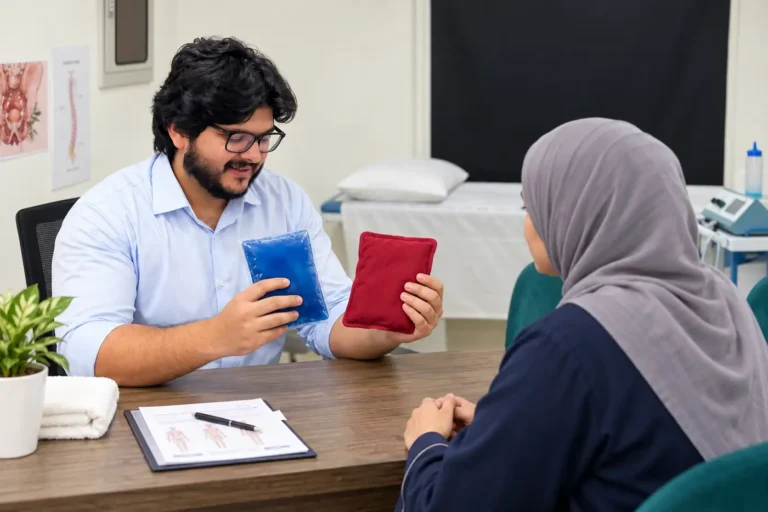
Heat and ice can both help knee symptoms in certain situations. Learn when each option may be useful and what…
Read article →EXCELLENT Based on 19 reviews
 Posted on Google
 MUHAMMAD USMAN SALEEM MUHAMMAD SALEEMIt’s actually the place where Doctors have a right knowledge to treat. Strongly recommend best clinic in LahorePosted on Google
 Nasira ShaheenVery satisfied with the services and care given to my daughter from Dr. Rabail. She wasn't able to speak sentences and many words before and has improved more then that now in her behavior and speech. I am very grateful for Dr. Rabail and WHPT and had no concerns through our sessions with them.Posted on Google
 Mahnoor MughalMy father-in-law experienced severe low back spasms, and WHPT Pakistan's at-home physiotherapy service was a lifesaver. The therapist arrived fully equipped and provided highly effective, personalized care right in the comfort of our home. The treatment not only eased his pain but also gave him exercises to help prevent future episodes. The convenience and quality of care were superb, and we’re very grateful for their compassionate and professional service!Posted on Google
 Noaman Younasgood doctor team coprative doctorPosted on Google
 Ali AghadeerStaff is very professional and humble Great experiencePosted on Google
 Fatima ZahraI was tired of writing “physiotherapy near me” for my neck pain. Luckily, i ended up in WHPT Pakistan, arguably the most trusted physiotherapy clinic in Bahria Town Lahore. Highly recommendedVerified by TrustindexTrustindex verified badge is the Universal Symbol of Trust. Only the greatest companies can get the verified badge who has a review score above 4.5, based on customer reviews over the past 12 months. Read more
WHPT Pakistan
1st Floor, Plaza 82, Block AA Commercial,
Bahria Town, Lahore