Upper Back Pain Causes: Muscles, Posture, Ribs, or Something Else?
Understand upper back pain causes, common movement patterns, and warning signs that should not be ignored.
Read article
Surgery may repair or replace a structure, but it does not automatically restore movement, strength, balance, walking confidence or the ability to return to work and daily life. Patients can leave hospital with pain, swelling, weakness, movement restrictions, a brace or walking aid, and uncertainty about what is safe. The rehabilitation plan must respect the procedure while preventing avoidable loss of function.

WHPT Pakistan assesses symptoms, movement, strength, medical context and the activities the patient needs to regain before selecting treatment and rehabilitation.
| Feature | Details |
|---|---|
| Audience | Patients preparing for or recovering after surgery |
| Available at | WHPT Pakistan, Bahria Town, Lahore |
| Common pathways | Joint replacement, ligament or tendon repair, fracture fixation and other orthopedic procedures |
| Assessment focus | Procedure, precautions, healing, mobility, strength and function |
| May include | Education, gait training, exercise, balance, scar care and task progression |
| Coordination | Surgeon, hospital team, caregiver and other professionals when needed |
| Primary goal | Restore safe independence and progress toward work, exercise or sport |
Physiotherapy helps post-surgical patients move safely, understand precautions and rebuild mobility, strength and function. The plan must follow the specific operation and healing stage. WHPT uses this page as an audience gateway and directs patients to the appropriate knee, hip, ACL, meniscus, shoulder, fracture, spine or home-rehabilitation pathway.
Contact the surgeon or seek urgent medical care for chest pain, sudden breathlessness, fainting, new calf swelling or warmth, uncontrolled bleeding, a cold or discolored limb, rapidly increasing pain, fever with wound redness or drainage, new confusion, loss of bladder or bowel control, saddle numbness or rapidly progressive weakness. Physiotherapy should not continue through suspected infection, blood clot, wound breakdown or a new neurological emergency.
The same operation can produce different rehabilitation needs. Age, preoperative strength, tissue quality, surgical technique, complications, other health conditions, home support and the patient’s goals all influence progression. WHPT does not advance exercises simply because a calendar date has passed. We check healing, symptoms, movement quality and functional readiness.
We also help patients understand the difference between protection and unnecessary fear. Some tissues need strict precautions early; others benefit from timely movement and loading. The physiotherapist explains what is restricted, what is encouraged and how those instructions change over time, while communicating with the surgeon when the plan is unclear or recovery is not following the expected course.
WHPT Clinical Principle Respect the repair. Restore function. Progress by healing and readiness—not by date alone.
A structured physiotherapy plan may be useful before or after surgery when movement, strength or independence is limited. Common pathways include:
Contact the surgeon or seek urgent medical care for chest pain, sudden breathlessness, fainting, new calf swelling or warmth, uncontrolled bleeding, a cold or discolored limb, rapidly increasing pain, fever with wound redness or drainage, new confusion, loss of bladder or bowel control, saddle numbness or rapidly progressive weakness. Physiotherapy should not continue through suspected infection, blood clot, wound breakdown or a new neurological emergency.
Post-surgical physiotherapy is rehabilitation planned around a surgical procedure, the tissue that must heal and the person’s functional goals. It may begin before surgery through education and prehabilitation, continue during early recovery with safe movement and complication prevention, and progress toward strength, endurance, work and sport.
The program is not a generic list of postoperative exercises. A repaired tendon, reconstructed ligament, replaced joint, stabilized fracture and decompressed nerve have different loading rules. The physiotherapist uses the operative report or surgeon protocol when available and adjusts the program according to pain, swelling, wound healing, range of motion, muscle control and function.
This page answers broad patient questions: what physiotherapy does after surgery, how to prepare, what to bring, how precautions are managed and when medical review is needed. The Post-Surgical Rehabilitation cluster and procedure pages provide the deeper condition-specific timelines, exercises and restrictions. Keeping those roles separate prevents duplicated content and allows each URL to serve one clear search intent.
Common barriers that can delay postoperative recovery include:
Recovery time depends on the procedure, tissue healing, surgical findings, complications, preoperative function and the activity the patient hopes to resume. Basic self-care may improve before strength and endurance. Returning to an office role is different from heavy work, running or contact sport. Rehabilitation therefore uses staged goals rather than one universal postoperative deadline.
The assessment may include:
The assessment begins with surgical information and safety before progressing to movement testing. The goal is to identify what is permitted, what is limited and what must be restored next.
Surgical Review, Medical Screening and Precautions
The physiotherapist reviews the date and type of operation, surgeon instructions, weight-bearing status, brace or sling use, medication, medical conditions and warning signs. When information is incomplete, clarification is sought rather than guessing.
Pain, Swelling, Wound and Movement Assessment
The examination may include swelling, range of motion, muscle activation, sensation, circulation and wound observation within professional scope. Hands-on treatment is avoided or modified when tissue healing, infection risk or surgical restrictions make it inappropriate.
Function, Walking Aids and Home Demands
Transfers, walking, stairs, dressing, toilet and chair height, driving, work and caregiver support are discussed. A technically successful exercise program still fails if the patient cannot use it safely in the home environment.
Goal Setting and Criteria-Based Progression
The plan identifies early protection goals, mobility milestones, strength targets and the functional tests needed for work or sport. Progression is based on healing and response, with referral back to the surgeon when recovery is unexpectedly slow or symptoms are concerning.
The physiotherapist is one part of the postoperative team. Good rehabilitation respects the surgical plan while helping the patient regain independence and communicate concerns early.
Care may involve coordination with:
Communication should be purposeful and consent-based. The physiotherapist does not change surgical restrictions independently or promise a faster timeline than tissue healing allows.
WHPT directs each patient to the most relevant procedure-specific pathway rather than treating all surgery as one category.
| Surgical pathway | Early priorities | Detailed WHPT destination |
|---|---|---|
| Knee replacement | Walking aids, swelling, extension, quadriceps activation | Knee Replacement Physiotherapy |
| Hip replacement | Transfers, precautions, gait and hip strength | Hip Replacement Physiotherapy |
| ACL reconstruction | Protection, extension, strength and criteria-based sport return | ACL Injuries & Rehabilitation |
| Meniscus procedure | Weight-bearing and range according to repair or resection | Meniscus Injuries & Rehabilitation |
| Rotator cuff or shoulder surgery | Sling guidance, protected movement and staged strength | Rotator Cuff Injuries & Rehabilitation |
| Fracture fixation or immobilization | Healing, permitted loading, mobility and strength | Fracture Rehabilitation |
| Spinal or nerve-related surgery | Neurological screening and procedure-specific progression | Spine and relevant condition pathway |
| Limited travel after surgery | Home safety, mobility and caregiver support | Home Physiotherapy |
Examples include knee and hip replacement physiotherapy, ACL and meniscus rehabilitation, rotator cuff recovery, fracture rehabilitation, spinal or nerve-related postoperative care, and general mobility or home physiotherapy after hospitalization. Service availability and suitability are confirmed during booking and assessment.
Some patients require hospital review, wound care, medical stabilization, inpatient rehabilitation or specialist clearance before routine outpatient treatment. New chest symptoms, suspected infection, wound breakdown, severe uncontrolled pain, acute confusion, blood-clot signs and progressive neurological loss take priority over exercise progression.
The plan follows the procedure and the person. Early sessions may focus on education, safe movement, swelling, muscle activation and walking aids. Middle stages develop range, strength, balance and endurance. Later rehabilitation prepares the patient for work, gym or sport. Every phase includes reassessment and a home program appropriate to current precautions.
The physiotherapist may review:
Only relevant tests are selected. The assessment should not provoke unsafe stress on healing tissue simply to produce a measurement.
Sessions evolve as healing and function change. A typical pathway includes:
Step 1: Safety and Protocol Review
Confirm restrictions, red flags, wound considerations and the patient’s immediate needs.
Step 2: Early Mobility and Symptom Management
Teach safe transfers, walking aids, permitted movement and strategies for swelling and comfort.
Step 3: Progressive Exercise
Restore movement, muscle control, strength, balance and endurance within healing limits.
Step 4: Functional Rehabilitation
Practice stairs, work tasks, lifting, driving-related movement or sport preparation as appropriate.
Step 5: Discharge and Long-Term Plan
Establish self-management, recurrence prevention and the next stage of fitness or performance.
| Stage | What happens | Why it matters |
|---|---|---|
| Preoperative preparation | Education, baseline function and home planning | Improves readiness and expectations |
| Immediate recovery | Safety, precautions, transfers and walking aids | Protects healing and independence |
| Mobility restoration | Range, muscle activation and swelling management | Reduces avoidable stiffness and weakness |
| Strength and function | Progressive exercise, balance and task practice | Builds capacity for daily life |
| Return phase | Work, gym or sport preparation | Connects recovery to personal goals |
Your Role in Post-Surgical Recovery
Follow the surgeon’s precautions, complete the agreed home program, use walking aids correctly, monitor the wound and report unusual symptoms. Keep follow-up appointments and ask when instructions are unclear. Recovery is helped by regular appropriate practice, but more exercise is not always better when tissue is still healing.
When clinically appropriate and coordinated with surgical care, rehabilitation may help patients:
| Potential benefit | What it may allow |
|---|---|
| Clearer precautions | Safer movement and less uncertainty |
| Improved mobility | Easier transfers, walking and stairs |
| Better strength and balance | Reduced dependence and greater confidence |
| Structured progression | Appropriate return to work and exercise |
| Early complication recognition | Timely medical review when needed |
Progress is measured through function, not only pain. Useful outcomes may include safer walking, improved range, better strength, reduced reliance on assistance, greater task tolerance and successful return to agreed activities. The expected outcome still depends on the surgery, healing and overall health.

Some stiffness, muscle effort and short-lived soreness can occur when movement and strength are restored. The amount considered acceptable depends on the procedure and stage. Sharp pain, major swelling, wound change, new neurological symptoms or a significant loss of function are not signs to push harder.
The therapist adjusts exercise range, resistance, volume and support according to the response during the session and later that day. A controlled challenge is different from repeatedly aggravating healing tissue.
Physiotherapy is generally safe when the surgical procedure, precautions, medical risks and healing stage are understood. Safety depends on screening, communication, appropriate dosage and knowing when to pause rehabilitation and refer back to the medical team.
Patients should bring discharge instructions, operative information, imaging or protocols when available. Medication, diabetes, circulation problems, osteoporosis, anticoagulants and previous complications can affect treatment decisions.
Expected Responses and Warning Signs
| Response | What it may mean | Action |
|---|---|---|
| Mild exercise soreness | Normal response to new loading | Monitor and follow the agreed dose |
| Expected local swelling | Common after many procedures | Use recommended management and track the trend |
| Increasing wound redness or drainage | Possible wound complication | Contact the surgical team promptly |
| Sudden calf swelling or warmth | Possible blood clot | Seek urgent medical assessment |
| Chest pain, breathlessness or new neurological loss | Medical emergency | Seek emergency care |
Who May Need Modified or Delayed Rehabilitation?
Patients with wound concerns, unstable medical conditions, uncontrolled pain, active infection, suspected blood clot, severe anemia, new neurological loss or unclear surgical restrictions may need medical review before routine progression. Frailty, cognitive impairment and limited home support may require caregiver involvement or a different setting.
Home Guidance Between Sessions
Expected symptoms can include localized pain, swelling, bruising, stiffness, weakness and fatigue that gradually improve according to the procedure. Their pattern should be understandable, monitored and responsive to the care plan.
| Expected recovery feature | Possible concern | Next step |
|---|---|---|
| Gradually improving local pain | Rapidly worsening or unexplained severe pain | Contact surgeon or urgent care |
| Procedure-related stiffness | Sudden major loss of movement or function | Clinical reassessment |
| Fatigue after activity | Fainting, chest symptoms or marked breathlessness | Urgent medical assessment |
| Mild bruising | Uncontrolled bleeding or expanding swelling | Medical review |
| Temporary weakness | Progressive neurological weakness or bladder/bowel change | Emergency assessment |
Possible complications include increasing wound redness or drainage, fever, sudden calf swelling, chest pain, breathlessness, a cold limb, rapidly worsening pain or new neurological loss. These require medical assessment rather than routine exercise modification alone.
External authority resource: ChoosePT - Benefits of Physical Therapy Before and After Surgery

Surgery changes anatomy, but strength, balance, endurance and confidence still need to be rebuilt. Massage, machines or occasional clinic sessions cannot replace the repeated functional practice required for recovery.
The rehabilitation plan uses symptom-management techniques only when they support active progress. Long-term success depends on appropriate movement, loading, self-management and a safe transition back to meaningful activity.
WHPT provides procedure-aware assessment, clear precaution education, staged exercise, gait and functional rehabilitation, caregiver guidance and timely communication with the surgical team. Patients are routed to the relevant replacement, ligament, meniscus, shoulder, fracture, spine or home-physiotherapy pathway instead of receiving a generic postoperative program.
| WHPT Pakistan approach | Why it matters |
|---|---|
| Procedure and protocol review | Prevents generic or unsafe progression |
| Medical and wound screening | Identifies concerns before exercise |
| Functional assessment | Connects rehabilitation to real daily needs |
| Criteria-based exercise progression | Respects healing and individual response |
| Walking-aid and home guidance | Supports independence outside the clinic |
| Surgeon coordination when needed | Clarifies restrictions and unexpected findings |
| Routing to specialist WHPT pages | Avoids duplicated or vague postoperative care |
Timing depends on the procedure and surgeon instructions. Some patients begin mobility on the day of surgery, while repaired tissues may require protected movement. Follow the operative plan rather than a general internet timeline.
Bring any referral, discharge instructions, operative report or protocol you have. Direct booking may still be possible, but unclear restrictions should be confirmed with the surgeon before progression.
Prehabilitation may improve understanding, strength, mobility, home preparation and confidence before selected procedures. It does not replace medical optimization or change the need for surgery.
Frequency depends on the operation, stage, complications, home support and goals. A straightforward return to daily activity may need less supervision than return to heavy work or sport.
Some swelling is common, but rapidly increasing swelling, calf warmth, wound changes, fever, chest pain or breathlessness require prompt medical review.
Yes, when weight-bearing is permitted and strength, balance and walking quality support progression. Walking aids should not be stopped solely because a certain number of days has passed.
The surgeon’s procedure-specific instructions take priority. WHPT adapts rehabilitation and seeks clarification when recommendations appear inconsistent or incomplete.
Usually in stages. The timing and exercises depend on tissue healing, range, strength and the surgery. The first safe gym session is not the same as unrestricted training.
No. This is an audience gateway. Detailed procedure-specific timelines and rehabilitation information remain on the relevant WHPT condition pages.
Seek urgent advice for wound drainage, fever, severe increasing pain, sudden calf swelling, chest symptoms, a cold limb, new bladder or bowel changes or rapidly progressive weakness.
Discharge from basic physiotherapy does not always mean the patient is ready for heavy work, running, martial arts or long-term strength training. Later recovery may require greater endurance, power, balance and confidence than ordinary daily activity.
Where appropriate, patients may transition from WHPT to supervised fitness, mobility or strength work through Alpha Fitness & Martial Arts Club. This occurs only when surgical precautions, healing and clinical readiness support the next stage.
Patients often receive several instructions at discharge but remain unsure which movement is safe, how much exercise is enough or when to progress a walking aid. Clear education and a staged plan reduce both unnecessary fear and unsafe overconfidence.
Patients often receive several instructions at discharge but remain unsure which movement is safe, how much exercise is enough or when to progress a walking aid. Clear education and a staged plan reduce both unnecessary fear and unsafe overconfidence.
Patients often receive several instructions at discharge but remain unsure which movement is safe, how much exercise is enough or when to progress a walking aid. Clear education and a staged plan reduce both unnecessary fear and unsafe overconfidence.
Bring your surgical instructions and explain what you need to return to—walking independently, stairs, work, driving, gym or sport. WHPT will identify the appropriate procedure-specific pathway and clarify whether outpatient, home or medical review is the safest next step.
WHPT Resources

Understand upper back pain causes, common movement patterns, and warning signs that should not be ignored.
Read article →
Explore common causes of lower back pain, what symptoms may reveal, and when an assessment can help.
Read article →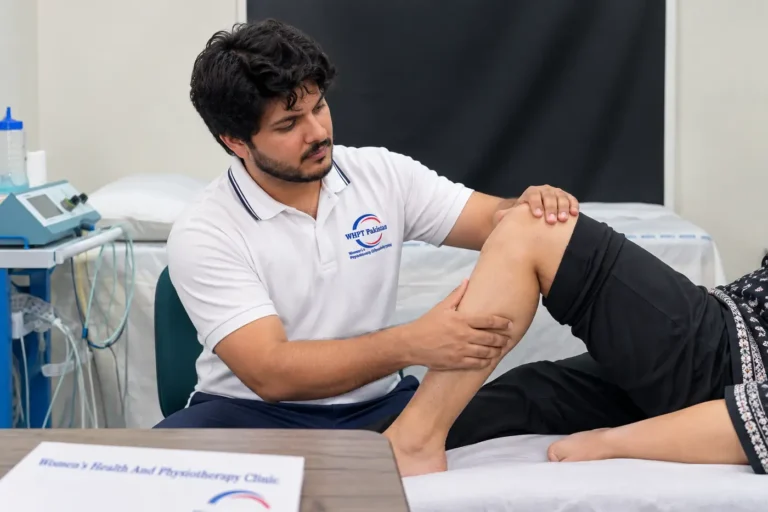
A knee assessment looks beyond pain alone. Learn how movement, strength, function, history, and symptoms guide rehabilitation.
Read article →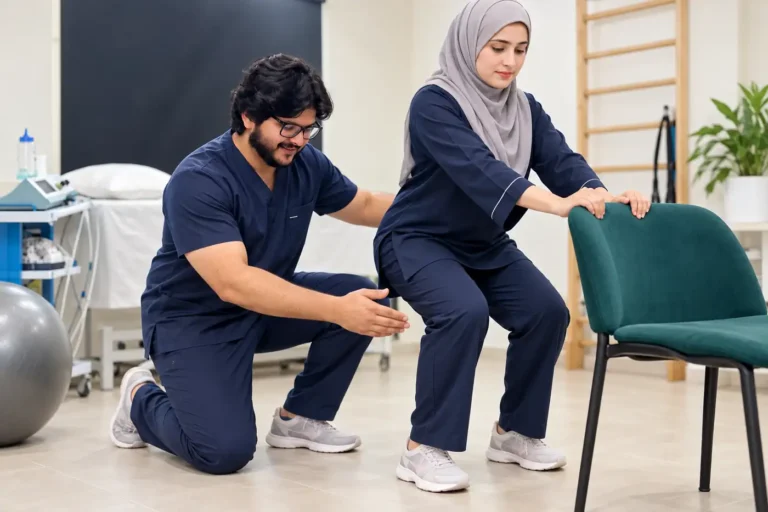
Some exercises may temporarily aggravate an irritated knee. Learn how to modify loading without giving up movement completely.
Read article →
Knee pain can return even after symptoms improve. Learn why recurrence happens and which factors may need more attention.
Read article →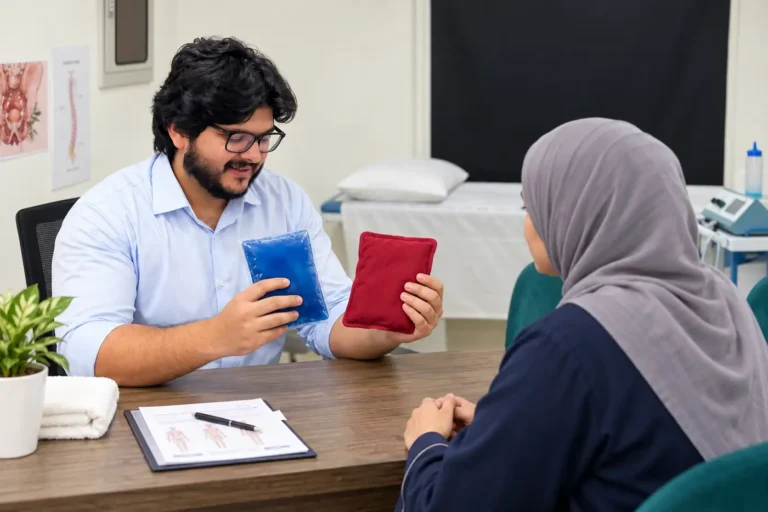
Heat and ice can both help knee symptoms in certain situations. Learn when each option may be useful and what…
Read article →EXCELLENT Based on 19 reviews
 Posted on Google
 MUHAMMAD USMAN SALEEM MUHAMMAD SALEEMIt’s actually the place where Doctors have a right knowledge to treat. Strongly recommend best clinic in LahorePosted on Google
 Nasira ShaheenVery satisfied with the services and care given to my daughter from Dr. Rabail. She wasn't able to speak sentences and many words before and has improved more then that now in her behavior and speech. I am very grateful for Dr. Rabail and WHPT and had no concerns through our sessions with them.Posted on Google
 Mahnoor MughalMy father-in-law experienced severe low back spasms, and WHPT Pakistan's at-home physiotherapy service was a lifesaver. The therapist arrived fully equipped and provided highly effective, personalized care right in the comfort of our home. The treatment not only eased his pain but also gave him exercises to help prevent future episodes. The convenience and quality of care were superb, and we’re very grateful for their compassionate and professional service!Posted on Google
 Noaman Younasgood doctor team coprative doctorPosted on Google
 Ali AghadeerStaff is very professional and humble Great experiencePosted on Google
 Fatima ZahraI was tired of writing “physiotherapy near me” for my neck pain. Luckily, i ended up in WHPT Pakistan, arguably the most trusted physiotherapy clinic in Bahria Town Lahore. Highly recommendedVerified by TrustindexTrustindex verified badge is the Universal Symbol of Trust. Only the greatest companies can get the verified badge who has a review score above 4.5, based on customer reviews over the past 12 months. Read more
WHPT Pakistan
1st Floor, Plaza 82, Block AA Commercial,
Bahria Town, Lahore